Lawyer to Help with a Credit Card Lawsuit? What to Do the Day You’re Served Court Papers in Cleveland
Getting served court papers can feel like the ground drops out from under you.
Your heart races.
Your mind jumps straight to garnishment.
Sleep feels impossible.
If you’re in Cleveland or Cuyahoga County, and you’ve just been served papers for a credit card or debt lawsuit, this guide is for you. People don’t search for legal theory in this moment, they search for:
- “Lawyer to help with credit card lawsuit”
- “Stop garnishment Cleveland”
- “What happens if I get sued for debt?”
Let’s slow this down and walk through exactly what to do today — not next month, not after panic sets in — today.
First: Take a Breath (This Is Not an Emergency)
Being served papers does not mean:
- You’ve already lost
- Your paycheck is gone
- Your bank account will be frozen tomorrow
It means a legal process has started, and processes have rules, timelines, and protections.
As a retired magistrate, I’ve seen how the court views these cases from the bench.
The biggest difference between a manageable outcome and a painful one is whether the person understands what to do next, and actually does it.
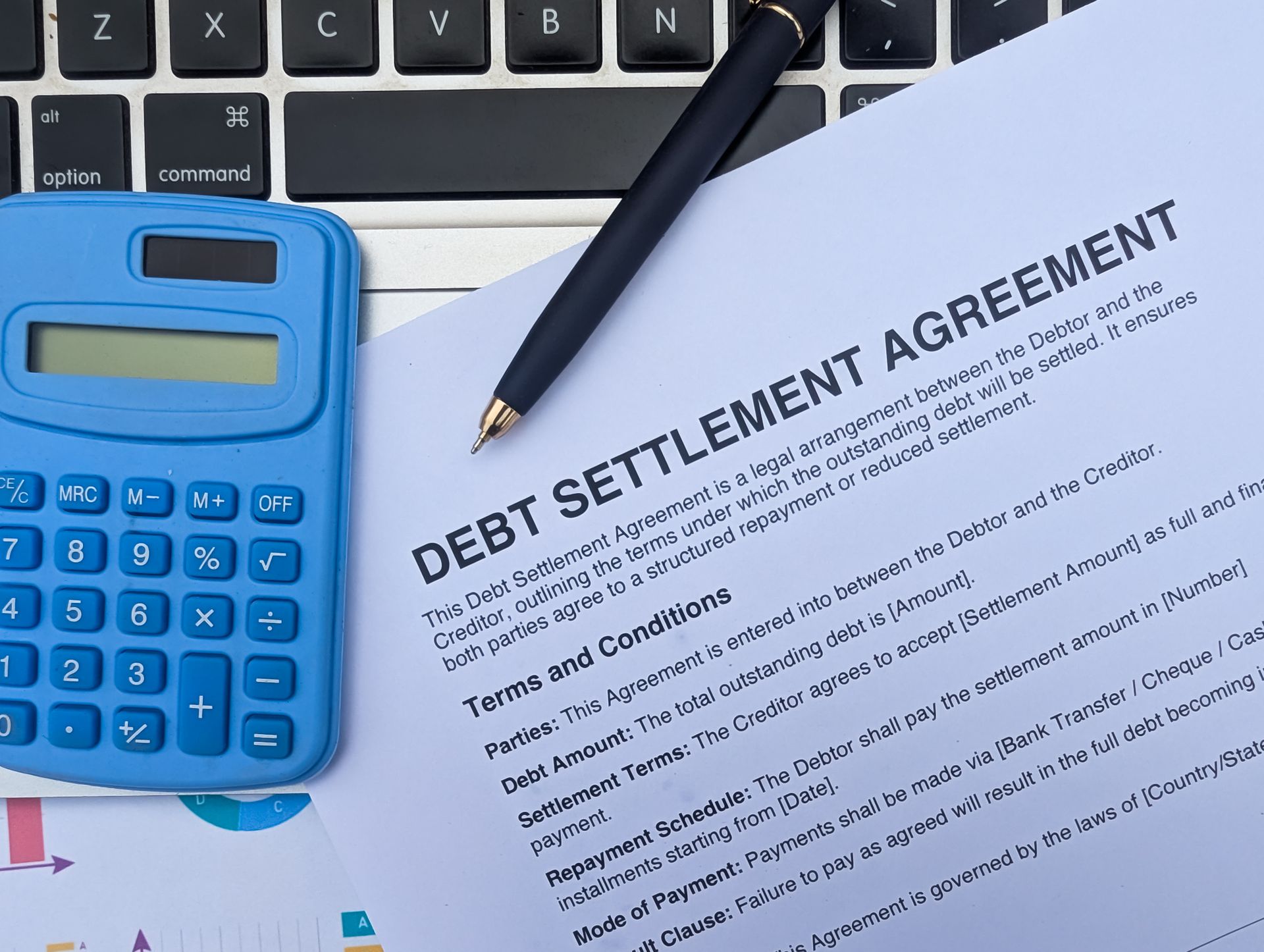
Step 1: Read the Papers — Don’t Ignore Them
This sounds obvious, but fear makes people shut down.
Look for:
- The court name (often Cleveland Municipal Court)
- The plaintiff (often a debt buyer, not your original credit card company)
- The response deadline (this matters more than anything else)
Put the papers somewhere safe. Take photos. Do not throw them away.
Step 2: Mark the Deadline on Your Calendar
In Cuyahoga County, missing the response deadline can lead to a default judgment — and that’s what opens the door to garnishment.
Most people don’t lose because they owe money.
They lose because they miss deadlines.
Deadlines = leverage.
Step 3: Do NOT Call the Debt Collector First
This surprises people.
Calling the collector before understanding your rights can:
- Restart old debts
- Lead to damaging admissions
- Remove strategic options
If you’re searching “stop garnishment Cleveland,” your goal is protection, not panic negotiations.
Step 4: Understand What This Lawsuit Can (and Can’t) Do
Right now:
- No garnishment has started
- No bank account is frozen
- No wages are being taken
A lawsuit is a request to the court, not a result.
- Many Cleveland residents assume the worst immediately, but legally, you still have control at this stage.
Step 5: Get Help from Someone Who Knows Cleveland Courts
Debt lawsuits are not about dramatic courtroom speeches.
They are about:
- Procedure
- Documentation
- Timing
- Strategy
That’s why people search for a lawyer to help with a credit card lawsuit — not just “legal advice.”
Someone familiar with Cleveland Municipal Court understands:
- How these cases are filed
- What documentation is often missing
- How judges and magistrates evaluate them
- When garnishment can actually happen, and when it can’t
Step 6: Shift From Panic to Plan
Here’s the mindset change that matters:
Panic says: “I’m already doomed.”
A plan says: “I still have options.”
Economic freedom doesn’t start when debt disappears.
It starts when
fear stops driving decisions.

What Not to Do the Day You’re Served
Avoid these common mistakes:
- Ignoring the papers
- Waiting “to see what happens”
- Letting fear paralyze you
- Assuming you can’t afford help
- Believing debt collectors over court procedure
None of that lead to peace or progress.
From Court Papers to Economic Freedom
Being served papers feels like a threat.
Handled correctly, it becomes a
turning point.
Economic freedom means:
- Knowing your rights
- Protecting your paycheck
- Avoiding unnecessary garnishment
- Making informed decisions — not reactive ones
Every person who now sleeps peacefully through the night once stood exactly where you are, papers in hand, heart racing, unsure what to do next.
Cleveland & Cuyahoga County: Today Matters More Than You Think
If today is the day you were served court papers in Cleveland, don’t let fear write the next chapter.
Pause.
Learn.
Act with intention.
That’s how court stress becomes manageable — and how financial chaos begins turning into economic freedom.
Frequently Asked Questions: What to Do After Being Served in Cleveland
I just received a summons from a process server. Does this mean I’m going to jail?
No. A credit card lawsuit is a civil matter, not a criminal one. You cannot be arrested or sent to jail for owing a debt or being sued by a creditor. This is a legal dispute over a contract, and the court is there to determine if the debt is valid and how it should be resolved.
The summons says I have 28 days to respond. Is that 28 business days or calendar days?
In Ohio, you have 28 calendar days from the date you were served to file a formal "Answer" with the clerk of courts. If the 28th day falls on a weekend or a legal holiday, your response is typically due by the next business day. However, it is always best to file as early as possible to avoid a default judgment.
Can I just call the credit card company’s lawyer and settle this over the phone?
You can, but be very careful. Speaking with the opposing lawyer does not stop the 28-day clock. Many people make the mistake of "negotiating" over the phone while the deadline passes, only to find that the creditor filed for a default judgment anyway. Never assume the lawsuit is "on hold" unless you have a written agreement or a court filing.
What happens if I ignore the lawsuit?
If you do not file a response, the creditor will likely win by "Default." This gives them a court order to begin more aggressive collection tactics, such as garnishing 25% of your paycheck or freezing the money in your bank account. Taking action now is the only way to prevent these outcomes.
Do I need to go to the Cleveland Municipal Court in person the day I get served?
No. You do not need to rush to the courthouse immediately. The day you are served is simply the start of your 28-day window. Your first step should be to organize your papers and consult with an attorney to draft a strategic "Answer" that protects your rights.
Why should I hire a lawyer instead of representing myself?
Debt collection lawyers file hundreds of these cases a week and bank on people not showing up or not knowing the rules of evidence. As a retired Magistrate, I know exactly what documentation the creditors are required to have. Often, they lack the proper "chain of title" to prove they even own your debt. An attorney can spot these weaknesses and use them to get your case dismissed or settled for a fraction of the original amount.