Lawyer to Help with a Credit Card Lawsuit? Navigating Cleveland Municipal Court & Stopping Garnishment
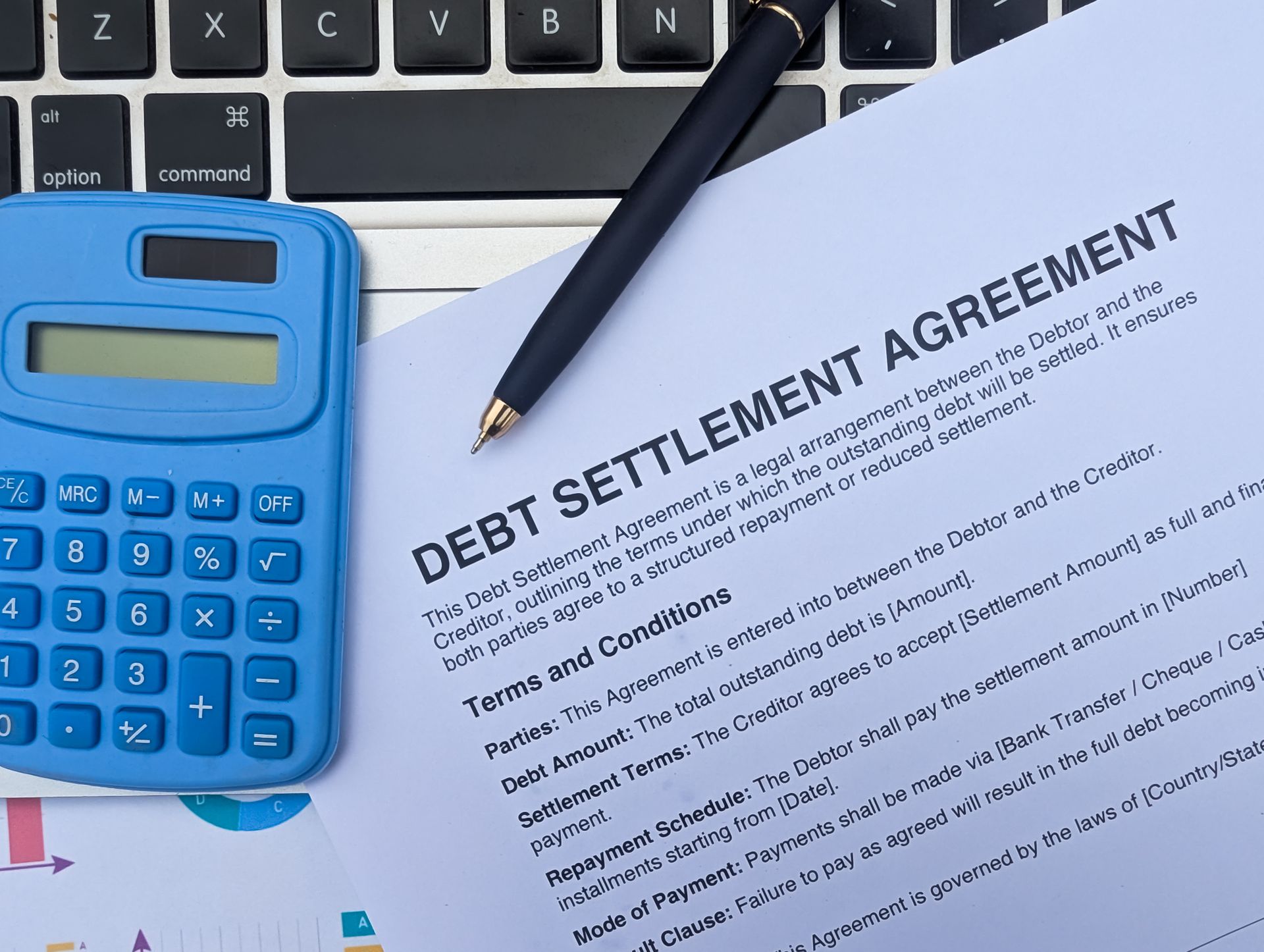
Getting sued for a credit card debt can feel terrifying, especially when the paperwork says Cleveland Municipal Court and your paycheck or bank account may be at risk.
Most people don’t wake up searching for “fiduciary litigation.”
They search for things like:
- “Lawyer to help with credit card lawsuit”
- “Stop garnishment Cleveland”
- “Debt lawsuit help Cuyahoga County”
If that’s you, take a breath. You’re not alone, and more importantly, you’re not powerless.
This guide is written to help you understand how debt cases actually move through Cleveland Municipal Court, what the court expects from you, and how to move from fear into economic freedom.
What Happens When You’re Sued in Cleveland Municipal Court for Debt?
In Cuyahoga County, most credit cards and collection lawsuits follow a predictable pattern, even though it doesn’t feel that way when you’re the one being sued.
Typically, the process looks like this:
- You receive a court complaint (often from a debt buyer)
- You have a limited time to respond
- If you don’t respond, the creditor may win by default
- A judgment can lead to wage garnishment or bank attachment
Many people lose not because they “owe” — but because they didn’t know what to do next.
Why Debt Collectors Rely on Confusion & Silence
Debt collection lawsuits are volume-based. Creditors often assume:
- You won’t respond
- You won’t show up
- You don’t know your rights
When that happens, the court’s hands are tied.
As a retired magistrate, I’ve seen firsthand how the court views these cases from the bench
The system isn’t designed to punish you, but it does require participation. When someone fails to respond, the law often leaves the court with no choice but to rule for the creditor.
Understanding this is powerful. Because showing up changes everything.
Do I Really Need a Lawyer for a Credit Card Lawsuit?
Many people in Cleveland ask this exact question, usually right before panic sets in.
The truth is:
- Debt cases are procedural
- Deadlines matter more than explanations
- Strategy matters more than emotion
A lawyer who understands Cleveland Municipal Court and debt defense can:
- Force proof of the debt
- Challenge improper documentation
- Prevent default judgments
- Help stop or avoid garnishment
This isn’t about fancy legal language, it’s about protecting your paycheck, your home, and your future.
How to Stop Garnishment in Cleveland Before It Starts
If you’re searching “stop garnishment Cleveland,” you’re likely closer to this stage than you think.
Wage garnishment usually happens after a judgment, but judgments aren’t inevitable.
Possible ways garnishment may be delayed, reduced, or stopped include:
- Responding properly to the lawsuit
- Filing objections or defenses
- Claiming exemptions under Ohio law
- Negotiating before enforcement begins
Once again, the key is timely action.
What the Court Really Wants to See
From the bench, courts look for:
- Did the defendant respond?
- Were procedures followed?
- Was documentation properly presented?
- Were rights exercised?
Courts are neutral — but silence favors creditors.
- When people engage in the process, outcomes often change.

From Court Stress to Economic Freedom
Debt lawsuits create panic because they feel final. They aren’t.
Economic freedom doesn’t start when debt disappears, it starts when fear does.
Economic freedom means:
- Understanding how the court works
- Knowing your rights
- Protecting your income
- Making decisions instead of reacting
Every strong financial recovery story begins with someone saying:
“I’m not ignoring this anymore.”
Cleveland & Cuyahoga County: You Have More Power Than You Think
If you’re facing a credit card lawsuit in Cleveland Municipal Court, or worried about garnishment in Cuyahoga County, now is the moment to pause, learn, and act with intention.
You don’t need to be a legal expert.
You don’t need to panic.
You just need
clarity and direction.
That’s how stress turns into strategy, and strategy turns into economic freedom.
Frequently Asked Questions: Cleveland Municipal Court & Garnishments
Does the Cleveland Municipal Court handle all debt lawsuits in Cuyahoga County?
No. The Cleveland Municipal Court specifically handles cases where the defendant lives in Cleveland or Bratenahl, or where the transaction happened there. If you live in a suburb like Bedford, Parma, or Shaker Heights, your case will likely be heard in that specific municipal court. I represent clients in all Northeast Ohio municipal courts, ensuring you have local expertise regardless of where your case is filed.
I already have a judgment against me. Is it too late to stop garnishing?
No, it is not too late, but you must act immediately. Once a creditor has a judgment, they can file for a wage garnishment or bank attachment. In Ohio, you typically receive a "Notice to Judgment Debtor" giving you a very short window (often only 5 to 15 days) to request a hearing to dispute the garnishment or claim exemptions.
What is a "15-Day Letter" (Notice of Court Proceeding to Collect Debt)?
This is a mandatory notice a creditor must send you before they can garnish your wages in Ohio. It gives you 15 days to pay the debt, reach a settlement, or apply for a "Trusteeship" to avoid garnishment. If you receive this letter, consider it your final warning to call a lawyer before your paycheck is hit.
Can Gayle Belcher help me if my bank account is already frozen?
Yes. When a bank account is "attached," the bank holds your funds for up to 21 days before sending them to the creditor. During this time, we can file a request for a hearing to prove that some or all those funds (such as Social Security, disability, or child support) are "exempt" under law and should be returned to you.
How does Gayle’s experience as a retired Magistrate help my case in Cleveland Municipal Court?
Having sat on the bench for over 30 years, I understand the "view from the bench." I know what evidence a Magistrate requires to approve a garnishment and, more importantly, I know the procedural errors creditors often make. I use this "inside" perspective to find leverage for my clients that other attorneys might miss.
Can I stop a garnishment without filing for bankruptcy?
Yes. While bankruptcy is one tool to stop garnishment, it isn't always the best or only option. We can often stop garnishments by:
- Negotiating a settlement for a lump sum or monthly payment plan.
- Challenging the judgment if you were never properly served with the original lawsuit.
- Applying for a Court Trusteeship, which protects your wages while you pay off your debts through the court.